
Early Onset Scoliosis
Expert Care for Young Patients at Rady Children’s Hospital San Diego
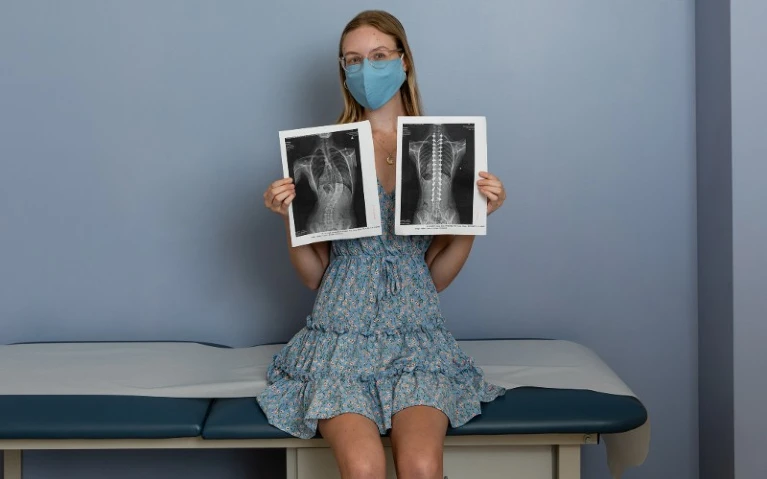
At Rady Children’s Hospital San Diego, our pediatric orthopedic specialists provide expert, compassionate care for children with early-onset scoliosis (EOS)—a condition characterized by an abnormal curvature of the spine that develops before the age of 10. For children diagnosed with early-onset scoliosis, healthy movement may be impossible without significant therapy or even surgical treatment.
While scoliosis affects more than 100,000 children in the U.S. each year, early-onset scoliosis is far less common. Families coping with the complexities of an early-onset scoliosis diagnosis deserve the best care and support available—and that’s what we provide to our young patients and their families at Rady Children’s. The Early-Onset Scoliosis Program at Rady Children’s Hospital San Diego provides the advanced, personalized and comprehensive care that children with this challenging disorder need and deserve.
Why Choose Rady Children’s for EOS Care?
At Rady Children’s, we provide comprehensive, family-centered care for children with early-onset scoliosis by collaborating with pediatric specialists across multiple disciplines to ensure holistic, personalized treatment plans. Our hospital offers leading-edge treatment options, incorporating the latest advancements in scoliosis management, from bracing to innovative surgical techniques tailored to meet each child’s unique needs. Highlights of our Early-Onset Scoliosis Program include:
- A dedicated clinic for early-onset scoliosis patients that incorporates a multidisciplinary team—including pulmonary, aerodigestive, genetics and orthopedics clinicians—and provides patients and families a range of supportive services
- Expanding research in early-onset scoliosis—in collaboration with our health system’s multidisciplinary specialties, including the Rady Children’s Institute for Genomic Medicine—by piloting additional studies and hiring a dedicated research assistant
- Establishing a database for comprehensive early-onset scoliosis information that we can share with national and international colleagues to help improve outcomes everywhere
- Hosting an annual meeting in San Diego focused on early-onset scoliosis, as well as an event to enhance training of early-career orthopedic surgeons
We are committed to supporting families throughout their child’s journey, from diagnosis to treatment and beyond, offering access to valuable resources, rehabilitation services, and long-term monitoring to ensure the best possible outcomes.
What Is Early Onset Scoliosis?
Early onset scoliosis (EOS) refers to an abnormal curvature of the spine that develops in children under 10 years old. This condition can range from mild to severe and may progress as your child grows. Left untreated, EOS can impact lung development and overall health.
There are several types of EOS, including:
- Idiopathic EOS: The most common type.
- Congenital EOS: Caused by spinal abnormalities present at birth.
- Neuromuscular EOS: Associated with conditions such as cerebral palsy or muscular dystrophy.
- Syndromic EOS: Related to genetic syndromes like Marfan syndrome or neurofibromatosis.
What Causes Early Onset Scoliosis?
While the exact cause of early-onset scoliosis is unknown, it is frequently associated with underlying conditions such as chest wall deformities, neuromuscular disorders like spina bifida or cerebral palsy, and, in some cases, benign or malignant spinal tumors.
Due to the complexity of early-onset scoliosis, children with this condition require specialized multi-disciplinary care from experienced clinicians who understand the unique challenges it presents.
At Rady Children’s, our Orthopedic and Scoliosis Center provides comprehensive evaluation and treatment through a multidisciplinary approach, ensuring that every aspect of your child’s health is carefully considered. Our team collaborates across specialties to create personalized treatment plans that address both the spinal condition and any associated medical concerns, offering the best possible outcomes for growing children.
Signs and Symptoms of Early Onset Scoliosis
Early detection is key to managing EOS effectively. Some signs to watch for include:
- Uneven shoulders or waist
- Visible curvature of the spine
- One hip appearing higher than the other
- Difficulty breathing in severe cases
- Asymmetry or prominence in the back when bending forward
If you notice any of these signs in your child, it’s important to consult a physician for evaluation and diagnosis.
Diagnosis and Advanced Imaging
At Rady Children’s, our expert team uses cutting-edge diagnostic tools to accurately assess the severity and progression of EOS. Our comprehensive evaluation process includes physical examinations and advanced imaging techniques such as low-dose EOS imaging, MRI, and CT scans.
We are committed to using the latest technological advancements to provide the most effective and precise care for children with EOS. We offer innovative tools like 3D spinal modeling and dynamic motion analysis, allowing our specialists to monitor spine curvature with exceptional accuracy while minimizing radiation exposure. Recognizing the potential genetic components of EOS, the Rady Children’s Institute for Genomic Medicine offers comprehensive genetic testing. This allows for earlier diagnosis, personalized risk assessment, and the potential for targeted interventions.
These state-of-the-art diagnostic methods provide a thorough understanding of your child’s condition, enabling us to develop personalized treatment plans that prioritize their growth, mobility, pulmonary function, and long-term health—whether through surgical or non-surgical interventions.
Treatment Options for EOS
Once a diagnosis is established, our multidisciplinary team works closely with families to explore the most effective treatment options. We offer a range of non-surgical and surgical interventions designed to manage scoliosis while supporting your child’s overall growth and development.
Non-Surgical Treatments:
- Bracing: Custom-fit braces can help slow the progression of the curve while allowing for continued growth.
- Casting: For younger children, lateral bending casting can be used to guide spinal growth and prevent further curvature.
- Physical Therapy: Exercises to strengthen muscles and improve posture.
Surgical Treatments:
In more severe cases, surgical treatments for scoliosis may be recommended to control the curve and support spinal development. Options include:
- Growing Rods: Adjustable rods that allow the spine to grow while controlling the curve.
- MAGEC Rods: Magnetically controlled growing rods that can be adjusted without additional surgeries.
- Vertebral Body Tethering: A minimally invasive procedure that allows controlled growth of the spine.
- VEPTR (Vertical Expandable Prosthetic Titanium Rib): Helps straighten the spine while expanding space for lung and organ growth.
- Spinal Fusion: Typically considered in older children with more severe curvature.
Our Multidisciplinary Team
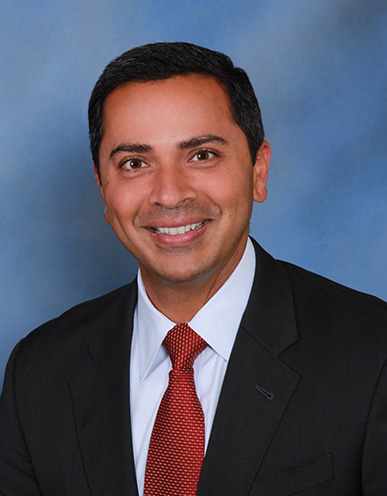
Salil Upasani, MD
Director, Scoliosis and Spinal Deformities, Rady Children’s Hospital San Diego
Dr. Upasani is a member of the Scoliosis Research Society, Pediatric Orthopaedic Society of North America, American Orthopedic Association Emerging Leaders Program and American Academy of Orthopaedic Surgeons.
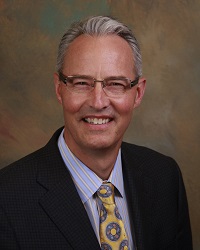
Peter Newton, MD
Chief, Division of Orthopedics, Rady Children’s Hospital San Diego
Surgeon-in-Chief, Rady Children’s Hospital San Diego
Dr. Newton’s leadership of a 10-year, international study of scoliosis surgeries has helped surgeons around the world choose between spinal fusion surgery and spinal tethering to give families proven options for treatment—and patients the best outcomes possible.
Dr. Newton also heads the Harms Study Group, a worldwide cohort of surgeons who partner to perform multicenter research studies focused on pediatric spinal care, and he serves on the executive board of the nonprofit Setting Scoliosis Straight.
Partnering with Specialists From:
- Cardiology
- Complex Airway Team
- Endocrinology
- Gastroenterology
- Neurology
- Neurosurgery
- Physical Therapy
- Pulmonary
- Urology
Contact Us
For inquiries or referrals to our Pediatric Orthopedics & Scoliosis Center, please get in touch with us below:
Phone: 858-966-6789
Orthopedics & Scoliosis Center
Medical Office Building, 3rd Floor
3030 Children’s Way
San Diego, CA 92123