
For some kids, a PAP device can be the secret to getting a good night’s sleep
Quality sleep is essential to a child’s growth, focus, and overall health. For kids with obstructive sleep apnea, a positive airway pressure (PAP) device can make all the difference.
What Is Pediatric Obstructive Sleep Apnea?
Pediatric obstructive sleep apnea occurs when the soft tissue at the back of the throat relaxes during sleep, causing a partial or complete airway blockage. This can lead to fragmented sleep and periodic drops in oxygen levels. While the condition is most commonly caused by enlarged tonsils or adenoids, contributing factors may also include obesity and craniofacial abnormalities.
How PAP Therapy Helps
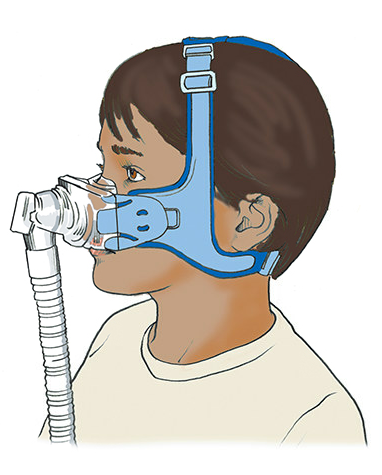
A PAP (positive airway pressure) machine used nightly is one of the most common treatments for sleep apnea in kids who have had a tonsillectomy and/or an adenoidectomy and are still experiencing symptoms. The device delivers a gentle, continuous stream of air through a mask to keep the airway open, which maintains continuous breathing. The air pressure prevents the throat from collapsing, allowing the body to maintain normal oxygen levels. PAP reduces snoring and prevents pauses in breathing, helping kids sleep better and wake up feeling refreshed.
Benefits of PAP for Kids
By improving sleep quality, PAP therapy supports a child’s health in ways that reach well beyond bedtime:
- Improved focus and school performance
- Fewer mood and behavior problems
- Healthy growth and development
- Better heart and lung health
Personalized Care at Rady Children’s
Rady Children’s operates a Positive Airway Pressure Clinic, caring for more than 400 children who use a PAP machine. The clinic is led by Rakesh Bhattacharjee, MD, director of pediatric sleep medicine at Rady Children’s and an associate professor of pediatrics at UC San Diego, who has conducted extensive research on the topic.
“PAP therapy requires children to wear the device every night for most of the night—a goal that is often easier said than done. However, we have found that working with patients and their families to develop personalized strategies can significantly improve adherence,” says Dr. Bhattacharjee. “Although the process may require patience and persistence, many children achieve success with PAP therapy.”
Physicians at Rady Children’s use the latest diagnostic tools and therapies for personalized care and optimized breathing support. They also coordinate care with specialists in respiratory medicine, otolaryngology, craniofacial surgery, and pediatric dentistry and orthodontics.
Sticking With PAP Therapy
Consistent, nightly use is what makes PAP therapy effective—and it can take time for a child to adjust to wearing a mask. Rady Children’s partners with families every step of the way, using patience, encouragement, and a little creativity to help kids get comfortable with their routine so they can stick with it.
Exploring New Treatment Options
Rady Children’s is also exploring the use of an implanted device that stimulates the hypoglossal nerve, a cranial nerve that controls tongue movement, in patients who have difficulty tolerating or using a PAP. The implant detects breathing patterns and uses an electrode to stimulate the upper airway as needed. Currently, the implant is only approved for use in children with Down syndrome who are at least 13 years old.
Learn More
March is Sleep Awareness Month. Our pediatric sleep medicine team helps children with sleep apnea and other sleep disorders rest easier — and helps families feel supported every step of the way.