
A Rady Children’s Expert Shares What Parents Need to Know About Summer Heat
As temperatures climb, doctors at Rady Children’s Hospital San Diego are urging families to take heat seriously, especially when it comes to children. From dehydration to unexpected dangers in the home, heat waves bring more than just discomfort.
Even brief exposure to extreme heat puts kids at risk for serious illness or injury, says Justin Assioun, MD, a pediatric emergency physician.
“Heat can pose real risks to children,” Dr. Assioun says, noting that emergency departments often see an increase in heat-related visits during warmer periods.
Why Kids Are More Vulnerable
Children don’t regulate body temperature as well as adults and may not recognize when they’re overheating. That means symptoms can escalate quickly, especially during outdoor play, sports or long days in the sun. Younger children are particularly at risk because they depend on adults to keep them hydrated, protected and cool.
The Hidden Dangers of Heat
While dehydration and sunburn are top of mind, heat waves can also create hazards at home.
Doctors at Rady Children’s say they see a rise in window falls during hot weather, when families open windows to cool down. Young children may climb on nearby furniture and push against screens that can easily give way.
To reduce risk:
- Move furniture away from windows
- Install window guards or safety barriers
- Never rely on window screens to hold a child’s weight
Heat also increases risks of:
- Drownings, as families spend more time near water
- Burns, from hot surfaces like pavement or playground equipment
Signs of Heat-Related Illness
Parents should watch closely for early warning signs that a child is overheating.
These may include:
- Fatigue or low energy
- Excessive sweating
- Dry lips or dehydration
- Sunken eyes
- Confusion or unusual behavior
If you notice these symptoms, move your child to a cool place right away, offer fluids and use a cool cloth to help bring their temperature down. Seek medical care if symptoms don’t improve or worsen.
Simple Ways to Stay Safe
A few small steps can make a big difference during a heat wave:
Hydrate often. A helpful rule is one 8-ounce cup of water per year of age, with a minimum of about 64 ounces for older kids.
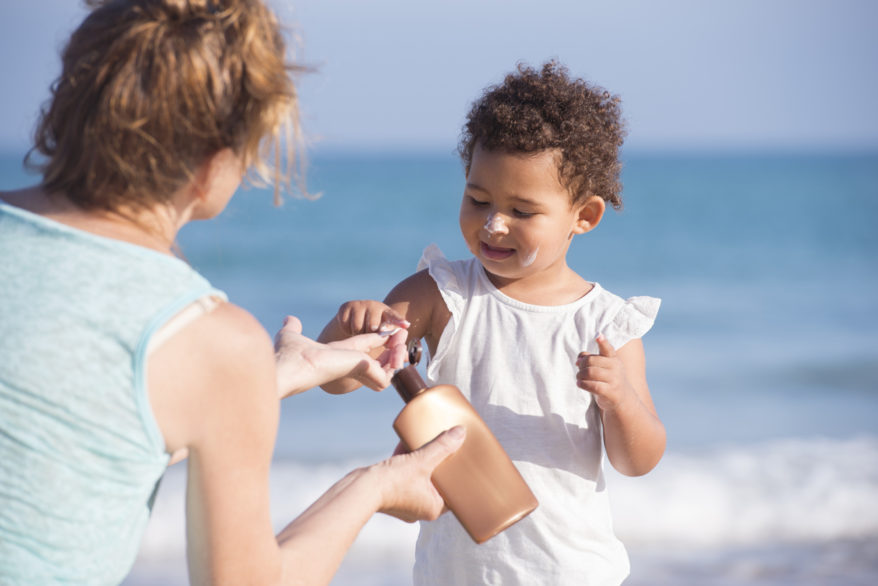
Use sun protection. Apply sunscreen (SPF 30 or higher) and reapply regularly.
Dress for the weather. Lightweight clothing, hats and sunglasses help reduce heat exposure.
Take cooling breaks. Encourage kids to rest in the shade, especially during sports or outdoor play.
Time it right. Avoid peak heat hours, typically late morning through early evening.
Learn more health and safety tips from Rady Children’s.