
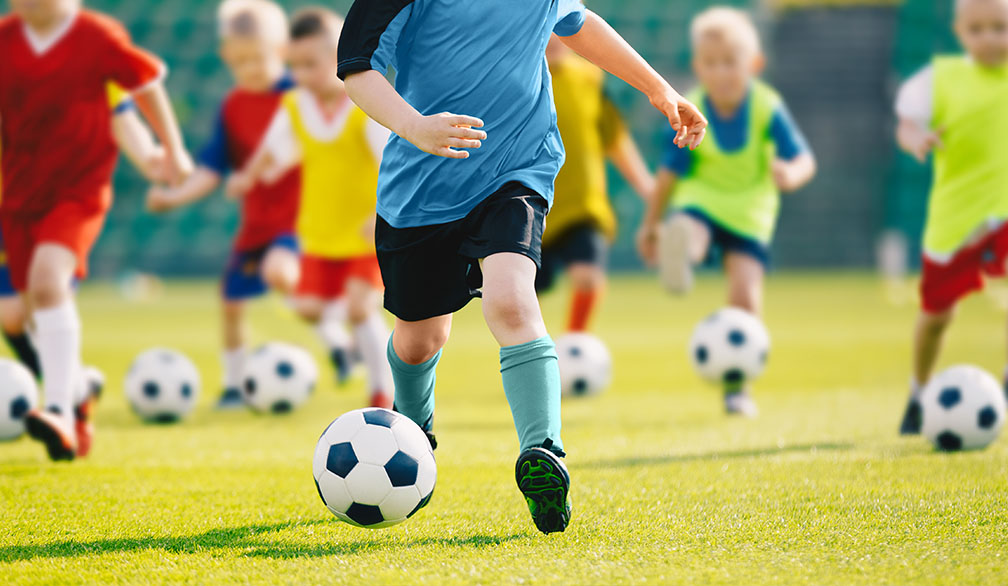
Fall means back-to-school, crisp mornings—and the return of youth sports. Whether it’s football, soccer, cross country, or the rising popularity of flag football, fall is full of opportunity for kids to move their bodies, connect with teammates, and grow on and off the field. But with every new season comes the potential for injuries, especially when athletes jump back into intense activity after a summer break.
Matt Schmitz, M.D., a pediatric orthopedic surgeon at Rady Children’s Hospital in San Diego and team physician for the U.S. National Rugby Team, shares the lowdown on the most common injuries he sees in fall sports—and what parents and young athletes can do to prevent them.
The Most Common Injuries

ACL tears are among the most common injuries physicians see in the fall, especially among girls playing soccer or flag football. Also common are growth plate injuries, sprains, stress fractures in runners, and occasional concussions.
“The key is knowing what’s normal—and what needs attention.”
Injury Prevention: 3 Moves That Matter
- Start with a solid warm-up. Dynamic stretches and drills activate muscles and improve range of motion before games or practice.
- Don’t skip the preseason physical. This checkup is crucial for evaluating heart and joint health, especially if your child has a history of injury.
- Use a gradual ramp-up. Kids should slowly build endurance and intensity after a summer break.
“Don’t go from zero to 60,” says Dr. Schmitz.
“If they’ve had a laid-back summer, they need time to rebuild endurance and strength. Doing too much too soon is a recipe for overuse injuries.”
Spotlight: Cross Country
Endurance sports like cross country require consistent training—not a crash course in conditioning. Dr. Schmitz warns that overuse injuries, like stress fractures, are common when athletes try to do too much, too soon.
“A lot of minor bumps and bruises will heal with rest, but pain that sticks around for more than a couple of days should be evaluated,” he says.
“Let your kids play because they love it. Don’t pressure them to be perfect or to chase scholarships before they’ve even hit middle school. The goal isn’t a pro contract—it’s confidence, connection, and joy. That’s what makes sports truly worth it.”
Concussion Awareness: Know When to Sit Out
Recognizing a head injury early is critical. Signs include confusion, headache, dizziness, or nausea.
“If a child is suspected of having a concussion, they need to be removed from play immediately,” says Dr. Schmitz.
“Even at the highest level, return to play doesn’t happen for at least a week—and for youth athletes, it should be longer. Two to three weeks is typically more appropriate, with clearance from a concussion specialist.”
Myth Busters: Youth Sports Edition
- Myth: You can push through pain.
Truth: Pain that lasts more than a day or two—especially with swelling or limping—deserves attention. Don’t wait to get evaluated. - Myth: Kids should specialize early to become elite athletes.
Truth: Data show that most professional athletes played multiple sports growing up.
“Specializing in one sport at a young age can actually increase the risk of overuse injuries. It’s better to play a variety of sports and engage different muscle groups,” Dr. Schmitz says.
Don’t Overlook Mental Health
Physical injuries can also take an emotional toll, especially on kids deeply connected to their team and sport.
“Injuries often remove kids from their peer group and routine, which can lead to feelings of isolation,” says Dr. Schmitz.
“We screen for depression in our patients and offer resources if needed.”
What helps:
- Encourage kids to attend practices and games, even if they can’t play.
- Keep them connected to their team and coaches.
- If needed, seek mental health support early.