

Positive Airway Pressure (PAP) for Kids
Learn how Positive Airway Pressure (PAP) therapy helps children breathe easier and sleep better by keeping airways open and restoring normal oxygen levels.
How Positive Airway Pressure (PAP) Works
Understanding PAP Therapy
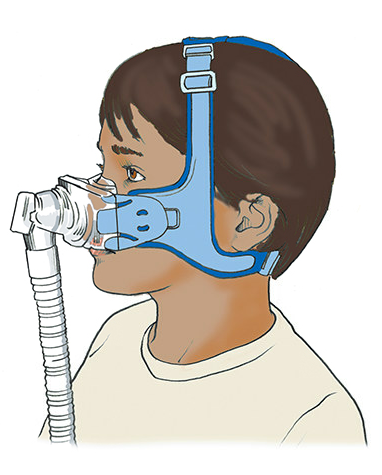
At Rady Children’s Health, we provide advanced respiratory care designed especially for children. Positive Airway Pressure (PAP) therapy is one of the most effective treatments for children who face challenges to breathe normally during sleep. PAP therapy delivers a gentle, continuous stream of air through a mask to keep the airway open, preventing pauses in breathing and helping kids get deep, restorative sleep they need.
How PAP Helps
PAP therapy helps your child maintain normal breathing by keeping the airway from collapsing during sleep. It preserves sleep for the brain, improving brain function and restores healthy oxygen levels throughout the night. By reducing snoring and preventing interruptions, PAP improves overall sleep quality and helps your child feel more rested. The system can also be customized. Bilevel PAP devices, for example, offer different pressure levels for inhaling and exhaling. Some advanced systems even adapt automatically to your child’s natural breathing pattern for the most comfortable and effective therapy possible.
With consistent use, PAP therapy helps your child wake up refreshed and energized, ready for a healthy, active day.
Existing patients of the Positive Airway Pressure (PAP) Clinic and Sleep Center can schedule a 15-minute Telehealth appointment to review questions or concerns about how to best use a PAP machine.
Appointments: Please log in to MyChart to schedule a virtual visit.
Why PAP Is Important for Children with Sleep Apnea

Helping Children Sleep and Thrive
At Rady Children’s Health, our pediatric sleep specialists are dedicated to helping children with obstructive sleep apnea (OSA) breathe easier and sleep soundly. OSA can cause snoring, daytime fatigue, behavioral challenges, and even heart complications if left untreated.
Learn more about OSA: Obstructive Sleep Apnea
Positive Airway Pressure (PAP) therapy is a safe, non-invasive treatment that delivers gentle air pressure to keep the airway open during sleep.
PAP therapy is an effective treatment for OSA and other sleep breathing disorders including central sleep apnea and sleep related hypoventilation.
Benefits of PAP for Kids
- Improved focus and school performance
- Fewer mood and behavior problems
- Healthy growth and development
- Better heart and lung health
By improving sleep quality, PAP therapy helps children grow, learn, and live their healthiest lives.
Why PAP Adherence Matters
Consistent use of PAP therapy helps children with sleep apnea sleep better and stay healthy. Learn how parents can support PAP adherence.
Consistency Is Key
For children using Positive Airway Pressure (PAP) therapy, nightly use is essential to get the full benefit. Rady Children’s Health partners with families to help kids adjust comfortably to their PAP routine. It may take time to get used to the mask, but with patience, encouragement, and a little creativity, kids can adapt quickly.
Tips for Success
- Establish a calm, consistent bedtime routine.
- Help your child put on their mask each night.
- Make sure the mask fits well and feels comfortable.
- Let your child decorate or personalize their setup to make it fun.
When PAP becomes part of your nightly routine, your child sleeps better, feels more energetic, and stays healthier long term.
Getting the Right PAP Mask Fit
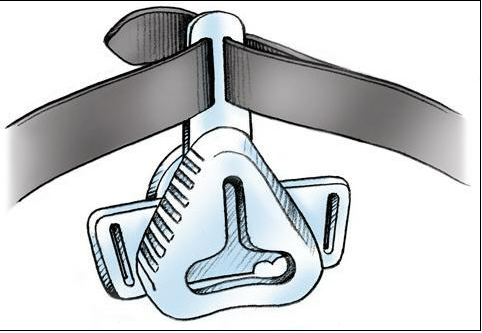
A properly fitted PAP mask ensures comfort and effective treatment. Learn how to get the right fit for your child at Rady Children’s Health.
The Foundation of Effective PAP Therapy
At Rady Children’s Health, comfort and fit are at the heart of successful PAP therapy. A well-fitted mask prevents air leaks, delivers steady airflow, and ensures your child gets the full benefit of treatment. Our team helps families find the right size, style, and adjustments for their child’s unique needs.
Why Fit Matters
- Prevents air leaks and ensures steady pressure
- Reduces dryness, nasal congestion, and skin irritation
- Improves comfort for longer use each night
Fitting Tips
A comfortable, well-fitted mask helps your child breathe easily and sleep soundly all night. To get the best fit, start by gently positioning the mask over your child’s nose and mouth, making sure it sits evenly on the face without gaps. Adjust the straps until the mask feels secure but not tight. The mask should be snug enough to prevent leaks, yet comfortable enough to move naturally with your child’s breathing.
Check the mask regularly for signs of redness, pressure marks, or irritation, especially during the first few weeks of use. If you notice any discomfort, try readjusting the straps or padding, or explore different mask sizes or styles. Inspect the mask and tubing often for cracks, worn areas, or loose connections that could affect airflow.
If you have questions about mask fitting, sizing, or comfort, contact your child’s sleep specialist or respiratory therapist at Rady Children’s Health. They can provide hands-on guidance, recommend adjustments, and ensure your child’s PAP therapy remains safe, effective, and comfortable.
The right mask fit helps your child sleep peacefully and breathe comfortably every night.
How to Clean and Maintain PAP Supplies
Learn how to clean and care for PAP supplies to keep therapy safe, effective, and comfortable for your child at Rady Children’s Health.
Keep It Clean for Healthy Sleep
A clean PAP system is essential for effective treatment and your child’s health. Regular cleaning prevents the buildup of germs, dust, and allergens, helping ensure every breath your child takes is fresh and pure. At Rady Children’s Health, we recommend simple, family-friendly routines that make PAP maintenance easy and part of your weekly rhythm.
Daily Cleaning
Each morning, gently wash the mask cushion with mild soap and warm water. This removes oils, moisture, and bacteria that can build up overnight. Rinse the cushion thoroughly and allow it to air dry on a clean towel in a well-ventilated area. Avoid using harsh cleaners or wipes that can damage the material.
Weekly Cleaning
Once a week, take a few extra minutes to give the entire system a deep clean. Disassemble the mask, tubing, and humidifier chamber if your device includes one. Wash all components with mild, fragrance-free soap and warm water. Rinse thoroughly to remove any residue, then let everything air dry completely before reassembling. This deeper cleaning keeps airflow strong and your child’s equipment performing at its best.
Maintenance Reminders
To keep therapy running smoothly, check all parts of the system regularly. Replace filters according to the schedule recommended by your care team. Clean filters help maintain proper air quality and pressure. Inspect the tubing, seals, and headgear for signs of wear, such as small cracks, discoloration, or stiffness. If anything looks worn out or no longer fits well, contact your provider for a replacement.
Healthy Habits for Lasting Comfort
Just a few minutes of care each day and week can make a big difference. Clean equipment helps prevent skin irritation, improves airflow, and ensures your child receives the full benefit of PAP therapy. It’s one of the simplest ways to protect their sleep, comfort, and overall health.
Existing patients of the Positive Airway Pressure (PAP) Clinic and Sleep Center can schedule a 15-minute Telehealth appointment to review questions or concerns about how to best use a PAP machine.
Appointments: Please log in to MyChart to schedule a virtual visit.
Advanced PAP Maintenance & Safety
These small steps ensure your child’s PAP therapy remains safe, hygienic, and comfortable every night—helping them breathe easier and sleep better.
Simple Steps for Safe, Reliable Use
Power and Safety Tips
- Place the device on a clean, stable surface where it won’t fall or be covered by bedding.
- Keep the area around the machine free of dust and fabrics that could block air vents.
- Use only the power cord and adapter that came with the device. Avoid using extension cords.
- Unplug the PAP machine before cleaning or moving it.
- During storms or power outages, disconnect the device to prevent electrical damage.
Humidifier Care
- Always use distilled or sterile water—tap water can cause mineral buildup.
- Empty and air dry the chamber daily to prevent bacteria and mold growth.
- Inspect for discoloration or residue and replace the chamber if buildup cannot be removed.
Filter and Tubing Care
- Rinse reusable filters weekly and allow them to dry completely before reinstalling.
- Replace disposable filters monthly or as directed by your care team.
- Check tubing weekly for cracks, moisture, or discoloration. Replace if any damage is seen.
Infection Prevention
- Clean hands thoroughly before and after handling PAP equipment.
- Do not share masks or tubing between children, even if they use similar devices.
- Replace any component immediately if your child becomes ill with a respiratory infection.
When to Seek Assistance
- Persistent coughing, congestion, or irritation during PAP use
- Condensation pooling inside the tubing (“rainout”)
- Any burning smell, loose wiring, or unusual device noise
Rady Children’s Sleep Center

The Sleep Center provides expert diagnosis and care for pediatric sleep disorders, from apnea to insomnia.
- Visit the Sleep Center
- Considering a sleep study for your child? Learn what to expect and how to schedule.
Sleep Center FAQs
- What types of sleep disorders are treated? Obstructive and central sleep apnea, sleep-disordered breathing, behavioral sleep problems, excessive daytime sleepiness, and more.
- What happens during a pediatric sleep study? Overnight monitoring of breathing, brain activity, heart rate, oxygen levels, and sleep stages; results are shared with your referring physician.
- How do I know if my child should visit? Loud snoring, frequent awakenings, unusual sleep behaviors, or daytime sleepiness are common reasons to be evaluated.
- What treatments are available? Behavioral sleep medicine, CPAP/PAP therapy for OSA, and multidisciplinary care for complex sleep-disordered breathing.
Complex Sleep Apnea Program
The Complex Sleep Apnea Program provides advanced, coordinated care for children who continue to have breathing difficulties during sleep despite traditional management for obstructive sleep apnea.
Conditions Treated
- Obstructive sleep apnea
- Complex sleep apnea
- Residual obstructive sleep apnea s/p tonsillectomy and adenoidectomy
- Upper airway obstruction
- Obstructive hypoventilation
- Sleep-disordered breathing
Our multidisciplinary team (Respiratory Medicine/Sleep Medicine, Otolaryngology/Sleep Surgery, Plastic & Craniofacial Surgery, Pediatric Dentistry, and Orthodontics) collaborates to deliver specialized diagnostics and treatment planning for each child.
Ready to Take the Next Step?
Our multidisciplinary team is here to help your family understand your child’s needs and create a care plan that fits your life. Whether you’re new to PAP therapy or looking for a second opinion, we’ll guide you every step of the way.
Contact Us