
Preparing for Your Child’s Sleep Study
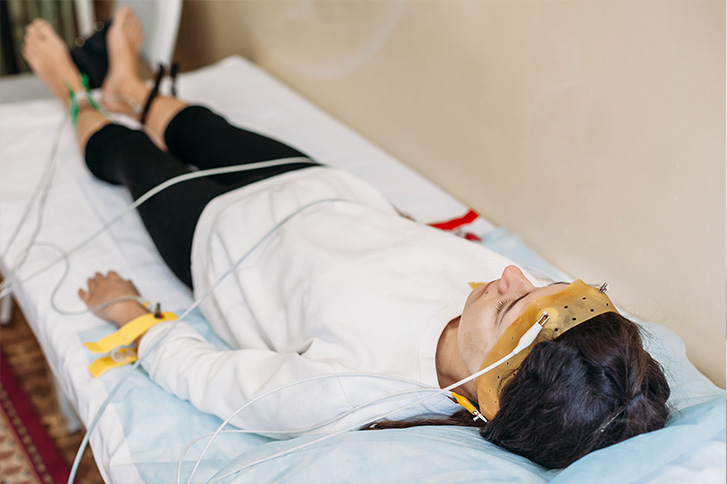
A sleep study can feel new or unfamiliar for children and families. Preparing ahead of time can help your child feel more comfortable and ensure the study goes smoothly. Below are tips on how to get ready, what to bring and what to expect on the night of the study.
Helping Your Child Understand the Study
- Explain that the sleep study is a special overnight test that helps us learn how they breathe and sleep.
- Let your child know that sensors and stickers will be placed on their head and body. These do not hurt, but some children may find them a little “scratchy” or sticky.
- Tell your child that a parent or guardian stays with them the entire night.
- Reassure them that they will be able to bring familiar items like a favorite blanket, small toy or book.
Before You Arrive
- Hair should be clean and dry with no oils, gels or braids. This helps the sensors stick properly.
- Try to keep your child awake during the day and avoid naps or “car naps” on the way to the hospital.
- Follow your child’s usual bedtime routine as closely as possible.
- When scheduling, let the Sleep Lab know your child’s typical bedtime so we can plan an appropriate arrival time.
- If your child takes nighttime medications, feeds or treatments, bring those with you.
What to Bring
- Comfortable pajamas
- A favorite blanket, stuffed animal or toy
- Bedtime medications, formula, feeding supplies or medical devices
- A change of clothes for the morning
- Snacks or drinks if your child typically has one before bed
Night of the Study
On the night of your study:
- Enter through the main Hospital entrance (Entrance #1).
- Parking is available in the visitor lot on Children’s Way.
- Inform the receptionist that you are here for a sleep study. They will provide directions to the Nelson Medical Unit.
- Plan to be at the Sleep Lab for approximately 6–8 hours. Most studies finish around 5:30 a.m.
- Please arrange transportation home in the morning, as extended sleeping beyond the study duration is not available.
After the Study
Results are typically available within three weeks. Please contact your child’s doctor to review the findings and discuss next steps.