
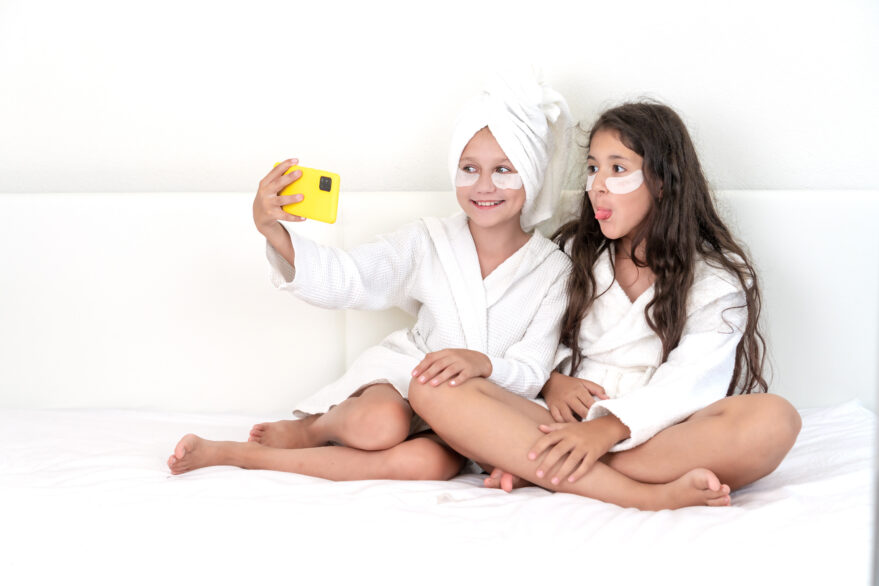
Skincare has gone viral — and kids are paying the price.
At Rady Children’s Hospital San Diego in San Diego, tweens are showing up with irritated skin, not necessarily from acne, but from overdoing it with TikTok-inspired routines.
“We have seen some of our preteens and young teenagers are using five or six products they saw online,” says Lawrence Eichenfield, MD, Chief of Pediatric and Adolescent Dermatology at Rady Children’s and professor of dermatology and vice chair of the department of dermatology at UC San Diego School of Medicine. “It’s leading to irritation, allergic reactions, and even worsening acne.”
Beyond the breakouts, Dr. Eichenfield notes a rise in social media directed “skincare” affecting kids as young as 8. His team is focused on evidence-based care, myth-busting education and breakthrough treatments.
WHY ACNE HAPPENS
-
Excess oil production
-
Clogged pores
-
Bacteria
-
Inflammation
-
Hormonal changes
-
Stress
-
Product overuse
WHAT ACTUALLY WORKS
Rady Children’s is at the forefront of acne research and treatment. One of the newest breakthroughs is a triple topical therapy that’s shown impressive results: clearing up to 50% of moderate to severe acne in just 12 weeks.
“This is a game-changer,” says Dr. Eichenfield. “It’s as effective as oral antibiotics but without the side effects.”
If your child’s acne is persistent, painful or affecting their self-esteem, it’s time to consult a pediatric dermatologist.
“Acne can take a toll on mental health,” Dr. Eichenfield emphasizes. “Early treatment can make a big difference in confidence and quality of life.”
TIPS FOR PARENTS
-
Keep it simple. A gentle cleanser and a basic moisturizer are often enough for younger kids.
-
Avoid harsh scrubs and alcohol-based toners. These can worsen irritation.
-
Watch for signs of distress. If your child is withdrawing socially or feeling down, talk to them and seek support.
-
Don’t believe everything online. Consult a professional before starting any regimen.
-
Don’t forget the sunscreen!
DID YOU KNOW?
Foods rarely directly cause acne, (even chocolate!) but healthy, sensible eating in moderation is suggested.
Looking Ahead: Smarter Skincare Through Science
Rady Children’s Hospital San Diego is not only treating acne, but also helping to redefine how pediatric acne is studied and managed nationwide. As one of the leading centers for dermatology research in the country, Lawrence Eichenfield and his team are currently involved in multiple clinical trials exploring next-generation acne treatments designed specifically for children and adolescents.
“These studies are helping us move beyond traditional antibiotics and toward more targeted, microbiome-friendly therapies,” says Dr. Eichenfield. “We’re looking for ways to treat acne effectively while preserving long-term skin health.”
Among the innovations under study are:
-
Novel topical combinations that rebalance the skin’s microbiome
-
Light and laser-based therapies that minimize bacterial growth without medication
-
Biologic or anti-inflammatory treatments aimed at the underlying immune response that triggers severe acne
What sets Rady Children’s apart, he explains, is its role in developing and testing therapies that account for the unique needs of growing skin, which is something adult-focused dermatology often overlooks. The team’s pediatric expertise helps ensure new treatments are safe, tolerable and age-appropriate, while clinical data gathered in San Diego informs FDA approvals and national treatment guidelines.
“We’ve already helped bring more than two dozen pediatric skin therapies to market,” says Dr. Eichenfield. “That means families who come here not only get access to today’s best treatments, but they’re often helping shape tomorrow’s.”
For parents, this continued innovation offers reassurance: the science of acne care is evolving quickly, and Rady Children’s is helping lead the way.