
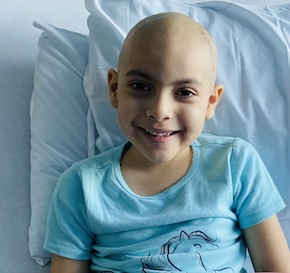
Inside the Peckham Center for Cancer and Blood Disorders
Cancer. It’s a diagnosis no family wants to hear. And, unfortunately, it’s one that affects approximately 15,000 kids in the U.S. every year. About 300 of those newly diagnosed kids are treated at Rady Children’s Hospital San Diego.
The Peckham Center for Cancer and Blood Disorders at Rady Children’s has evolved alongside rapid advancements in pediatric oncology and hematology. The center has grown into one of the top pediatric cancer programs in the U.S., drawing families from the San Diego region and across the country. So much so that 1 in 50 children diagnosed with a brain tumor in the U.S. are seen by Rady Children’s Health. Peckham Center team members also provide additional resources to support patients and families throughout treatment.
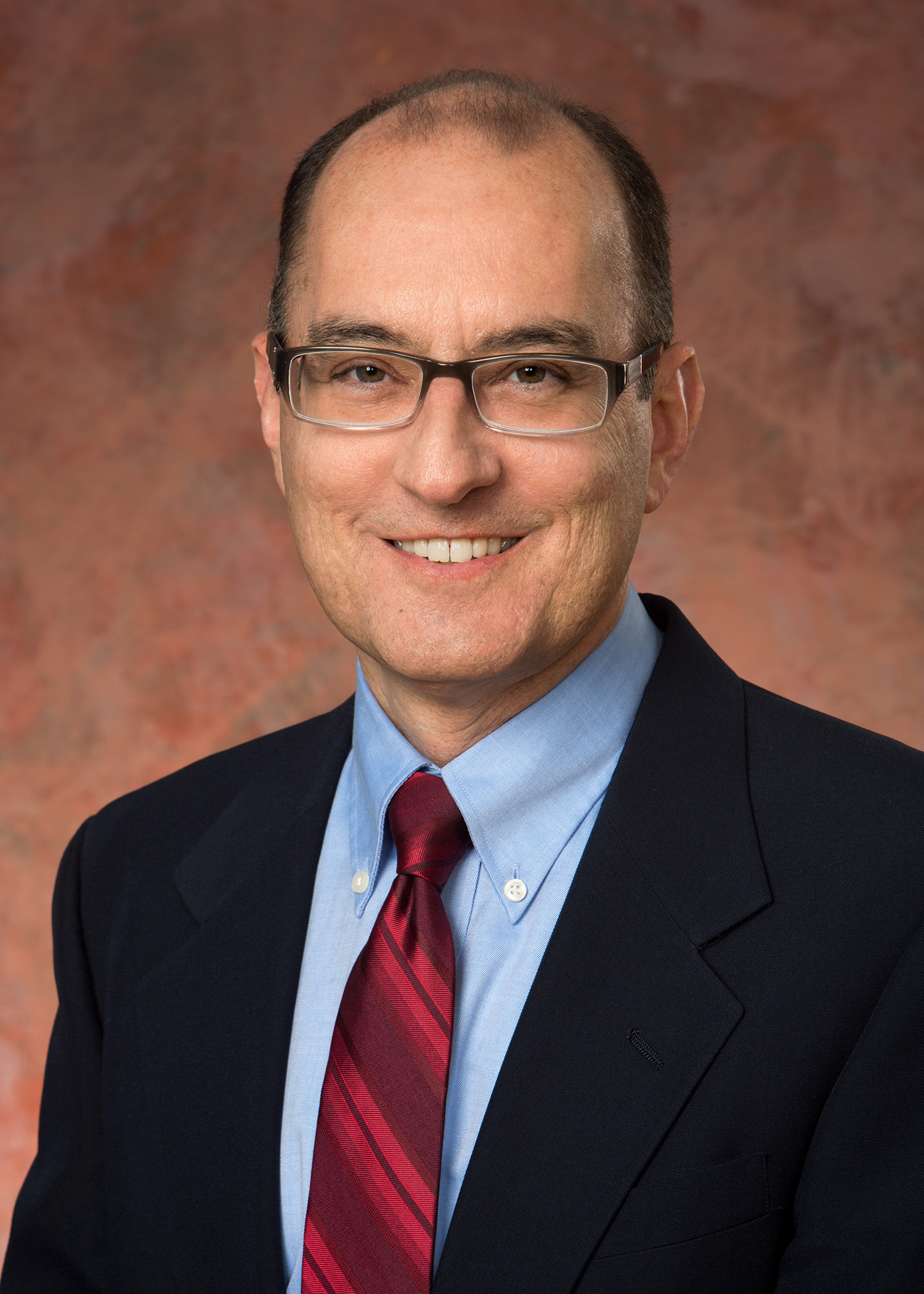
Dr. William Roberts, director, Peckham Center for Cancer and Blood Disorders
“The depth and breadth of what we do has grown tremendously,” says William Roberts, MD, director, Peckham Center for Cancer and Blood Disorders; division chief, Pediatric Hematology/Oncology, Rady Children’s and UC San Diego; clinical professor of pediatrics, UC San Diego. “There has been an explosion of knowledge over the past 30 years that has led to advances in therapy, an increase in the complexity of the treatment that’s offered and, ultimately, an improvement in outcomes.”
The Power of Multidisciplinary Care
In the Peckham Center’s earliest days, there were only a handful of oncologists. But as the division grew and the field advanced, its staff expanded into highly specialized areas, allowing physicians to focus on specific diseases and therapies, such as leukemia, brain tumors, hemophilia, bone marrow transplantation and cellular therapy. Today, patients benefit from a level of expertise found at a large academic center, along with personalized, integrated programs that support both patients and families.
“With time and opportunities for recruitment and more resources, we were able to build our program to include doctors who are subspecialized and have become experts in specific areas. However, we ensure that all the doctors who work in our center are able to pitch in and provide care whenever it is needed,” says Dr. Roberts.
A patient’s care team may include oncologists, hematologists, transplant specialists, nurses, psychologists, social workers, child life specialists, translators, pharmacists, parent liaisons and nutrition experts, all working together to support the patient and family.
“Having a multidisciplinary team is essential to what we do every day. All of these people not only make the patient experience better, they are also part of the treatment. You can’t just talk about the medical plan; holistic treatment involves so much more than that,” says Dr. Roberts.
Psychosocial Programs
A cancer or blood disorder diagnosis affects the whole family, not just the child. To help patients and their loved ones navigate treatment and the challenges that come with it, the Peckham Center offers a comprehensive array of psychosocial services. These include Child Life Services that support emotional well-being through play and education; clinical social workers; a hematology and oncology parent liaison program; pediatric psychological services; spiritual care; and supportive care programs focused on comfort and quality of life.
Together, these services ensure that families receive care that supports not only the body, but also the mind and spirit.
Advancing Pediatric Oncology
The Peckham Center’s work extends beyond patient care. Members of the Division of Pediatric Hematology/Oncology participate in basic, translational, clinical, medical education and health disparities research, as well as clinical trials through consortia such as the Children’s Oncology Group, the world’s largest pediatric clinical trial organization.
Some Rady Children’s physicians are also scientists who work in research laboratories at UC San Diego, developing new treatment strategies and advancing medical knowledge with the goal of translating that knowledge into improved outcomes for children who have cancer or blood disorders.
“There’s innovative research happening here now that’s producing new knowledge with the potential to create better treatments, and clinical trials are ongoing here that are advancing knowledge at the bedside,” says Dr. Roberts.
There are partnerships that include researchers across the country working collaboratively to study types of cancers and blood disorders in order to set new standards of care and improve outcomes on a national scale.
“That collaborative spirit is what got us to the point we are today, where over 80% of all childhood cancer patients become long term survivors,” says Dr. Roberts.
Philanthropy Makes It Possible
Cancer care and clinical research at Rady Children’s is heavily supported through philanthropy, including long running community efforts such as Celebration of Champions. Donors also contribute to psychosocial programs that help ensure that families receive comprehensive support. The hospital’s parent liaison program, inspired by the experience of the Peckham family for which the center is named, remains one of the program’s most meaningful legacies. Parents of former cancer patients help guide newly diagnosed families through treatment.
Beyond local fundraising efforts, several national foundations have designated childhood cancer as a philanthropic priority. Organizations such as Hyundai Hope on Wheels, Alex’s Lemonade Stand, and the St. Baldrick’s Foundation offer competitive grants that support vital research. These grants require rigorous proposals, and generous donors provide the funding needed to initiate new studies or advance existing research. Those early investments help physician scientists explore promising new ideas that may one day become lifesaving therapies.
“If those interested in conducting research can’t take that first step, the work stops,” Dr. Roberts says. “The financial support for studying new ideas is essential to keeping innovation moving forward.”
Innovation in Action
At the Peckham Center for Cancer and Blood Disorders, innovation is transforming what is possible for children facing cancer. The team is leading advances in pediatric therapies that use the immune system itself, or replace parts of it, to target and destroy cancer cells.
These highly specialized treatments offer new hope for families when standard therapies are no longer effective or when cancer returns. By delivering this level of care locally, children can receive world class treatment while staying close to home and their support systems.
“We have a highly knowledgeable, deeply dedicated team in transplant and cellular therapy who provide truly cutting edge care,” says Dr. Roberts. “That expertise makes a life changing difference for our patients and their families.”
Treatment Spotlights
At the Peckham Center, children have access to advanced, specialized therapies designed to treat complex cancers while protecting their growing bodies.
CAR T-Cell Therapy
A groundbreaking form of immunotherapy that reengineers a patient’s own immune cells to recognize and attack cancer cells, often producing powerful results for children with hard to treat cancers.
Bone Marrow Transplant
A therapy in which high dose chemotherapy is given to eradicate the cancer. Because it also eradicates the existing bone marrow, it requires repopulating the bone marrow afterward with healthy stem cells from the patient or a donor. This allows the body to rebuild a functioning blood and immune system.
Proton Therapy
A form of radiation that targets tumors using a thin beam of positively charged subatomic particles, destroying cancer cells. Unlike traditional X-ray radiation, proton therapy allows radiation oncologists to better control how deeply the radiation penetrates and to focus the strongest dose directly on the tumor, helping to spare surrounding healthy tissues and organs from damage. This is especially important for children, who have a whole life ahead of them.
Learn more about the Peckham Center for Cancer and Blood Disorders.